
Contact Us
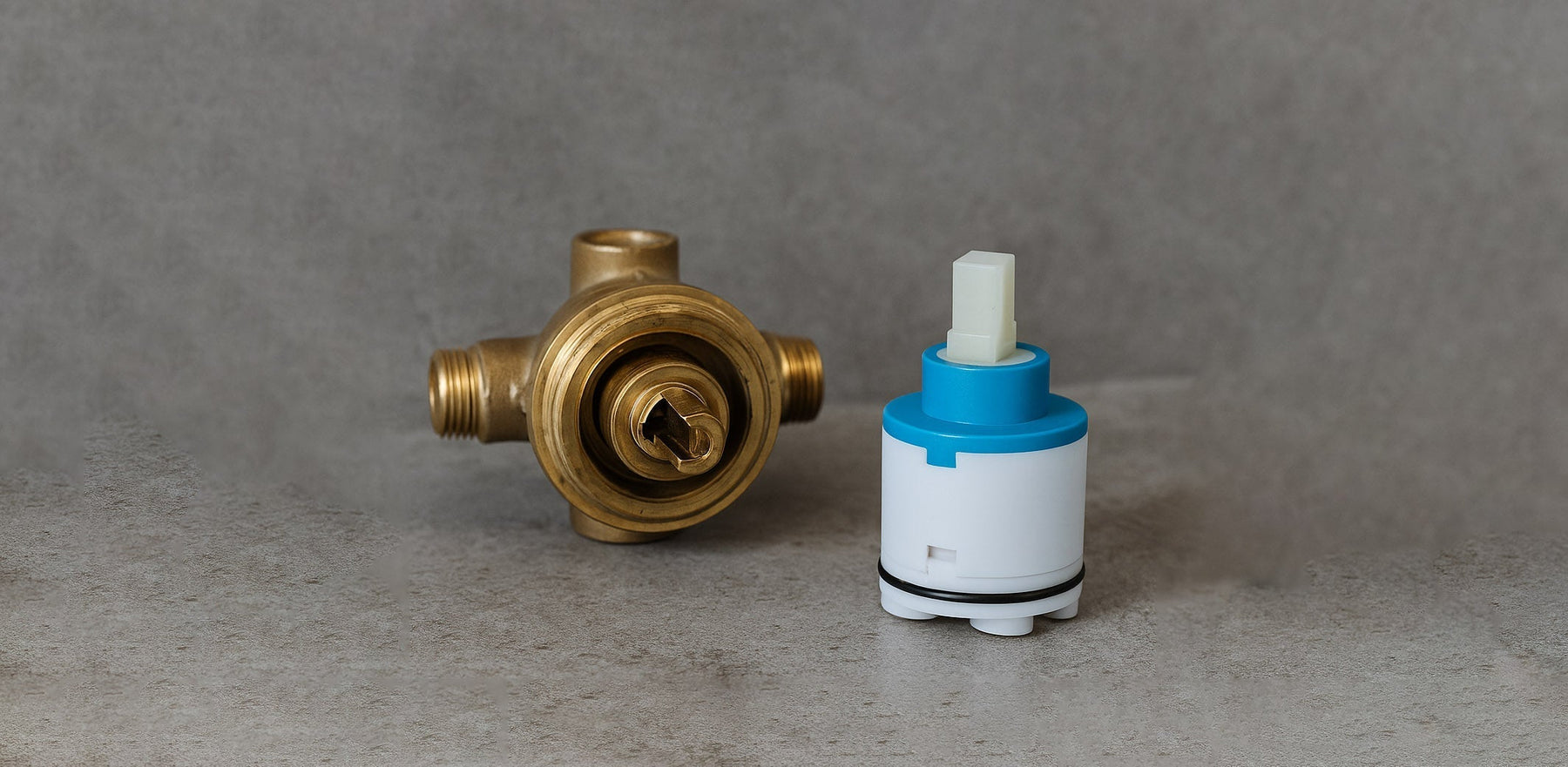
There's nothing quite like stepping into a hot, high-pressure shower — it's the perfect way to wake up in the morning or unwind after a long day. But when that once-powerful stream turns into a sad, weak trickle, frustration sets in fast.
Low shower water pressure isn't just an annoying inconvenience. It can make simple tasks like rinsing shampoo from your hair or enjoying a relaxing rinse feel like a chore. If you're tired of standing under a disappointing dribble of water, you've probably started wondering what's causing the problem.
You might think it's your old showerhead or maybe even your home's plumbing system. But have you ever considered that the culprit could be hidden right behind your shower handle?
Yes — your shower cartridge might be the reason your water pressure has dropped.
The shower valve cartridge is a small but critical part of your plumbing system. When it gets clogged, worn out, or installed incorrectly, it can quietly choke off your water flow, leaving you with low pressure no matter how great your showerhead is.
In this article, we'll break down how a shower cartridge works, why it could be causing your low water pressure, and — most importantly — how you can fix it. Whether you're a DIY enthusiast or just someone who wants better showers, you'll find practical tips to diagnose and solve the problem yourself.
Let's dive in — your perfect shower might be just a cartridge away.
Hidden behind your shower handle is a small but mighty component that most people never think about — the shower cartridge. Though you may not see it, this part works hard every time you turn on your shower, and when it starts to fail, it can seriously mess with your water pressure.

A shower cartridge is a valve mechanism inside your shower faucet that controls two critical things:
When you twist or lift your shower handle, you're not directly opening a pipe — you're moving the cartridge. It adjusts the mix of hot and cold water, and how much of it flows through to your showerhead. Think of it as the traffic controller of your shower's water supply.
While they all serve the same basic function, shower cartridges come in different styles and materials, each with its own quirks:
No matter the type, every shower cartridge plays a critical role in your daily comfort. And when things go wrong — like clogging with mineral deposits or wearing out from years of use — the result is often the same: weak water flow and frustrating showers.
Because the cartridge sits right in the path of your water supply, any issue with it — like a blockage, internal damage, or faulty seals — can act like a kink in your hose. Even if your home's water pressure is perfectly fine elsewhere, a bad cartridge can choke off your shower's flow before it ever reaches the showerhead.
That's why understanding how your shower cartridge works — and knowing when it might be causing problems — is the first step toward getting your powerful, satisfying shower back.

When your shower suddenly loses pressure, your first instinct might be to blame your showerhead or think there's a bigger plumbing issue at play. But often, the problem is much closer — sitting right behind your shower handle.
A shower cartridge may seem like a small component, but when it goes bad, it can easily cause low water pressure in your shower. Here's how:
If you live in an area with hard water — and most Americans do — minerals like calcium and lime can slowly build up inside your plumbing fixtures. Over time, these deposits can clog the small openings in your shower valve cartridge, restricting water flow and leading to frustratingly low pressure.
This is one of the most common shower valve problems, especially in older homes or areas with untreated hard water.
Shower cartridges have seals, springs, and moving parts that wear down over time. When this happens, the valve may not open fully, even when you turn the handle all the way on. The result? Low water pressure, regardless of how much pressure your plumbing system is delivering.
A worn cartridge might also leak internally, reducing the water directed to the showerhead.
If a shower cartridge isn't installed correctly — or if it shifts out of place — it may restrict water flow. Even a slight misalignment can make it harder for water to pass through, acting like a partially closed valve.
If you've recently replaced your shower cartridge and noticed a sudden drop in pressure, this could be your issue.
Many modern shower systems use pressure-balancing cartridges to prevent sudden temperature spikes when someone flushes a toilet. However, if this cartridge becomes faulty, it can restrict both hot and cold water flow, leading to consistently low pressure during your showers.
In showers with a thermostatic valve, a malfunctioning cartridge can misread temperature or restrict flow entirely — both of which can result in a disappointing shower experience.
If your low water pressure in the shower seems isolated (other faucets in the house work fine), chances are your shower cartridge is to blame. The good news? It's usually fixable without calling a plumber.
And if you've purchased a StarBath shower system, we've got you covered. If your cartridge ever fails or you suspect it's causing water pressure issues, simply reach out to Starbath's customer service. By providing your product model number, you can quickly get the correct replacement cartridge — along with detailed installation and replacement guides tailored to your specific rain shower system.
We're here to make sure your shower always performs at its best.
While a faulty shower cartridge is often to blame for low water pressure, it’s not the only potential culprit. If your shower pressure feels weak, and you've ruled out the cartridge, here are other common issues to check:
Over time, mineral deposits from hard water can build up in your showerhead’s nozzles, restricting water flow. Even a partially clogged showerhead can make a noticeable difference in pressure.
Quick fix: Remove the shower head and soak it in a vinegar solution for a few hours to dissolve limescale buildup.
If the main shut-off valve or local valves near your shower aren’t fully open, water pressure will be reduced. Sometimes, during maintenance work, valves are left partially closed by mistake.
Quick fix: Check your home's main water valve and any inline valves to ensure they are fully open.
Older homes with galvanized steel or iron pipes may suffer from internal corrosion over time, narrowing the pipes and restricting water flow. In newer homes, sediment or debris can still cause partial blockages.
Warning: This often requires professional inspection and repair.
Some homes are equipped with a water pressure regulator to control incoming water pressure. If this regulator fails or is incorrectly set, it can lead to universally low water pressure throughout the house.
Quick check: If all your faucets have low pressure, the regulator might be the cause. You may need a plumber’s help to adjust or replace it.
Sometimes, the issue isn’t inside your home. Citywide water supply problems — such as maintenance work, peak demand times, or mainline issues — can temporarily lower water pressure.
What to do: Check with neighbors or your local water company if you suspect this is the case.

Before you start tearing apart your plumbing or blaming your old showerhead, it's smart to check if the shower cartridge is the real culprit behind your low water pressure in the shower. Here's a simple, step-by-step guide to help you troubleshoot like a pro — no special tools required for the initial checks.
✅ Why this matters:
If your kitchen sink, bathroom faucet, or other showers also have low pressure, the issue is likely with your home's water supply or main plumbing system — not the shower cartridge.
✅ What to do:
✅ Why this matters:
Mineral buildup inside your showerhead is a common cause of weak flow and often mistaken for valve problems.
✅ What to do:
✅ Why this matters:
The shower valve cartridge controls the mix of hot and cold water. If either side flows poorly, it could signal a cartridge issue.
✅ What to do:
✅ Why this matters:
A damaged or worn cartridge might leak internally, reducing water pressure before it reaches the showerhead.
✅ What to do:
✅ Why this matters:
Sometimes, the only way to know for sure is to take a look at the cartridge itself.
✅ What to do:
(Tip: If you have a StarBath shower system, you can contact our customer service team with your product model to get the right cartridge and detailed replacement guide.)
Bonus Tip: When in Doubt, Replace the Cartridge
Cartridges are relatively inexpensive and often the fastest way to restore full pressure. Even if you're not 100% sure the cartridge is the problem, replacing it can solve hidden issues caused by wear or debris.
So, you've diagnosed the problem — and all signs point to a bad shower cartridge. The good news? Replacing a cartridge is a manageable DIY project for most homeowners, and it could be the simple fix you need to restore water pressure in your shower. Here's how to do it right.
(Tip: If you own a Starbath shower system, contact our customer service with your product model for the exact replacement cartridge and step-by-step guide.)
Before you do anything, locate the water shut-off valves for your bathroom or your entire home. You don't want a mini flood in your bathroom!
If your shower pressure hasn't improved:
Now that you've fixed or replaced your shower cartridge and your water pressure is back to normal, the last thing you want is for the same issue to happen again anytime soon. Good news — with a little routine care, you can keep your shower valve cartridge working smoothly and avoid sudden low-pressure surprises.
✅ Why it matters:
A clogged showerhead can make you think your cartridge is failing when it's really just mineral buildup restricting flow.
✅ What to do:
✅ Why it matters:
Sediment and debris from your water supply can work their way into the shower valve and clog the cartridge.
✅ What to do:
✅ Why it matters:
Hard water is a major enemy of plumbing fixtures, leading to mineral buildup that wears down cartridges faster.
✅ What to do:
✅ Why it matters:
Forcing or jerking the shower handle can wear out internal components of the cartridge over time.
✅ What to do:
✅ Why it matters:
Like any mechanical part, cartridges wear out eventually. Replacing them before they completely fail can prevent sudden water pressure loss or leaks.
✅ What to do:
Low water pressure in your shower isn't just frustrating — it can turn a relaxing routine into a daily annoyance. While many factors can cause a drop in pressure, the shower cartridge is often the hidden culprit most homeowners overlook.
By learning how this small but critical part controls your water flow and temperature, you're better equipped to diagnose issues before they escalate. Whether it's a clogged cartridge, mineral buildup, or simple wear and tear, knowing how to troubleshoot your shower cartridge puts control back in your hands.
The best part?
✅ Stay proactive with regular maintenance.
✅ Replace worn-out cartridges before they fail.
✅ Contact Starbath Customer Support for expert help and genuine parts.



Leave a comment